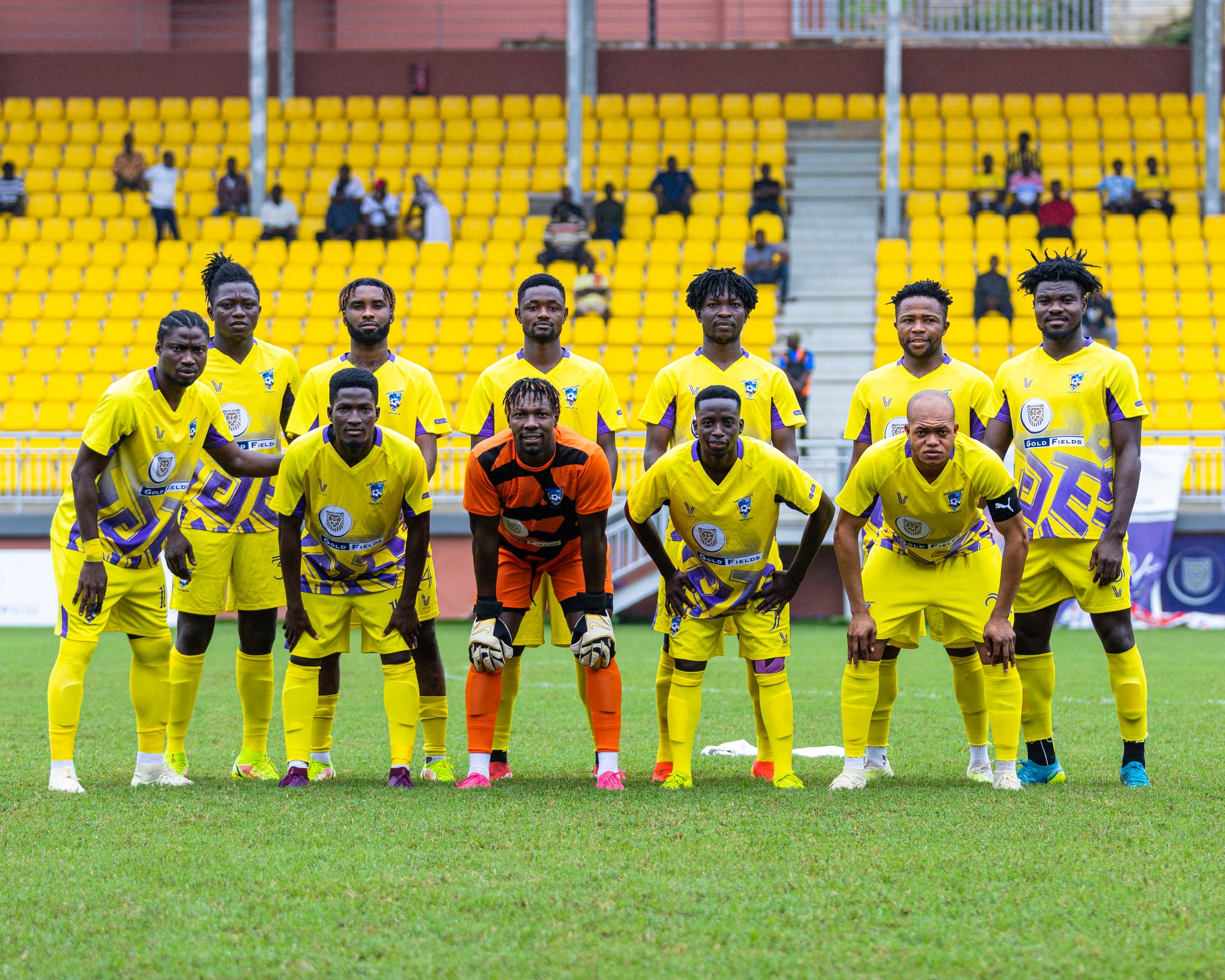
As Ghana prepares for the 2026 FIFA World Cup, the appointment of Carlos Queiroz has reignited an old debate in Black Stars history: what kind of coaching identity actually works best for Ghana on football’s biggest stage?
The Portuguese tactician arrives with one of the most extensive World Cup resumes in modern international football. Yet Ghana’s own World Cup history—built across four different coaches since 2006—offers a revealing benchmark that raises important questions about whether Queiroz represents progression, or simply a different kind of limitation.
This feature examines Queiroz’s World Cup record alongside Ghana’s previous managers to assess one central question:
Is Carlos Queiroz the right tactical fit for Ghana’s World Cup ambitions—or a stylistic departure from what has historically worked?
Ghana’s World Cup identity has never been fixed. Instead, it has oscillated between two competing philosophies:
- Structured pragmatism (defence-first tournament football)
- Expressive, high-tempo attacking football
Every coach Ghana has appointed at the World Cup has fallen somewhere along this spectrum—and the results tell a clear story.
Ratomir Dujković (2006): The Foundation of Structure
Ghana’s first real World Cup identity was built by Ratomir Dujković, who led the Black Stars in Germany 2006.
Dujković introduced a level of tactical discipline previously unseen in Ghanaian football at that stage. His team was compact, organised, and defensively responsible, built around emerging stars like Michael Essien and Stephen Appiah.
Outcome:
- Reached Round of 16
- Lost 3–0 to Brazil
Tactical legacy:
Dujković proved Ghana could compete at World Cup level through structure and organisation rather than pure flair.
However, his system lacked the attacking edge required to challenge elite teams.
Milovan Rajevac (2010): The Peak of Efficiency
If Dujković laid the foundation, Milovan Rajevac refined it into Ghana’s most successful World Cup formula.
The 2010 Black Stars became a masterclass in defensive compactness and counter-attacking execution. With players like Asamoah Gyan and Kevin-Prince Boateng, Ghana reached the quarter-finals—the deepest run in their history.
Outcome:
- Quarter-finalists (lost to Uruguay on penalties)
Tactical legacy:
Rajevac perfected Ghana’s tournament identity:
- Deep defensive block
- Fast transitions
- Minimal risk football
It was effective—but narrow in style.
Kwesi Appiah: Attacking Identity Without Structural Control
Under Kwesi Appiah, Ghana attempted a return to expressive, attacking football.
The focus shifted toward width, pace, and individual creativity. While this restored some of Ghana’s natural flair, it exposed structural weaknesses at elite level.
Outcome:
- 2014 World Cup: Group stage exit
Tactical legacy:
Appiah’s teams were dangerous going forward but vulnerable defensively—particularly against tactically disciplined European sides.
Otto Addo: The Hybrid Experiment
Otto Addo represents Ghana’s modern tactical experiment: a hybrid system blending possession phases with transitional attacking football.
At the 2022 World Cup, Ghana showed flashes of quality—particularly in their 3–2 win over South Korea—but struggled with consistency and game management.
Outcome:
- 2022 World Cup: Group stage exit
Tactical legacy:
A promising attacking structure undermined by defensive instability and inconsistent tactical execution.
Carlos Queiroz: The Extreme Structure Model
Into this historical context steps Carlos Queiroz, one of international football’s most experienced tournament managers.
His World Cup record spans South Africa, Portugal, Iran, and now Ghana. Across those campaigns, a consistent identity emerges:
- Deep defensive organisation
- Low-risk tactical structure
- Compact midfield systems
- Reliance on counter-attacks
World Cup record summary:
- 2002: Group stage (South Africa)
- 2010: Round of 16 (Portugal)
- 2014: Group stage (Iran)
- 2018: Group stage (Iran)
Tactical identity:
Queiroz teams are notoriously difficult to break down—but equally difficult to evolve into high-scoring, dominant sides.
The Key Question: Does Queiroz Fit Ghana’s Winning Formula?
When compared to Ghana’s most successful World Cup identity—Rajevac 2010—a clear tension emerges.
Ghana’s best historical formula:
- Defensive discipline
- Counter-attacking speed
- Individual brilliance in attack
- Controlled risk-taking
Queiroz’s model:
- Maximum defensive control
- Minimum risk
- Limited attacking freedom
- Game containment focus
While both approaches value structure, Queiroz pushes far deeper into conservatism than Ghana’s most successful version ever did.
Tactical Comparison Snapshot
| Coach | Style | Best WC Result | Attack Output | Defensive Solidity |
|---|---|---|---|---|
| Dujković | Structured balance | R16 (2006) | Moderate | Strong |
| Rajevac | Counter-attack pragmatism | QF (2010) | Moderate | Strong |
| Appiah | Expressive attacking | GS (2014) | High | Weak |
| Otto Addo | Hybrid modern system | GS (2022) | High | Inconsistent |
| Queiroz | Defensive control | R16 (2010 Portugal) | Low | Very strong |
The Core Risk for Ghana in 2026
The central concern with Queiroz is not his experience—it is his ceiling effect in tournaments.
Across multiple World Cups, his teams have consistently shown:
- Strong defensive organisation
- Limited attacking productivity
- Difficulty progressing beyond group stages (with weaker or mid-tier nations)
This raises a crucial question for Ghana:
Can a system built to avoid defeat actually deliver the wins required to progress in a modern World Cup group?
Ghana’s Identity Dilemma
Ghana enters 2026 with a squad profile that naturally suits:
- Speed in transition
- Direct attacking play
- Creative freedom in the final third
Queiroz’s system, however, prioritises:
- Structure over spontaneity
- Control over chaos
- Risk reduction over attacking aggression
This creates a philosophical mismatch that could define Ghana’s tournament outcome.
Conclusion: Fit or Mismatch?
Carlos Queiroz is undeniably one of the most experienced World Cup coaches Ghana has ever appointed. His tactical discipline guarantees organisation, defensive stability, and competitive structure.
But Ghana’s historical evidence suggests something more nuanced:
- Ghana’s deepest World Cup success came from balanced pragmatism (Rajevac 2010)
- Not from extreme defensive control
That is where the concern lies.
Queiroz may make Ghana harder to beat—but not necessarily better at winning.
In tournament football, especially at the World Cup, that distinction can define everything.